
Home›The Treatise›Chapters›Chapter 103
Tratado de Cirurgia da Coluna Vertebral
SECTION 10 • Complementary Topics
Chapter103

Approaches to Postoperative Pain Management in Spine Surgery

Vancouver: Abrão J, Zuazo SM📖 Pages: 1249-1260
Full reading of this chapter is available exclusively in the printed edition of the Treatise.
Sec. 10Complementary Topics
Cap. 103Clinical Chapter
2authors
Português
Español
English
Referênciasscientific citations
📑

Chapter Summary

• Context: Postoperative pain following spine surgery can be intense, complex, and debilitating. Inadequately controlled acute pain impairs early mobilization, increases cardiopulmonary and thromboembolic complications, prolongs hospitalization, and markedly elevates the risk of transition to chronic postsurgical pain (CPSP). Traditional reliance on high-dose postoperative opioid monotherapy is associated with sedation, respiratory depression, nausea, ileus, urinary retention, and potential dependence. In response, Enhanced Recovery After Surgery (ERAS) pathways and multimodal analgesia paradigms have emerged, combining preemptive analgesia, regional/neuraxial blocks, non-opioid systemic agents, and early physical mobilization to provide superior analgesia with reduced opioid-related side effects.
• Chapter Objective: To review evidence-based multimodal strategies for acute postoperative pain control in spine surgery. The reader will learn to structure perioperative protocols including preoperative patient optimization and education, intraoperative regional anesthesia and wound infiltration, systemic non-opioid pharmacotherapy, and safe transition to oral analgesia during recovery.
• Multimodal Analgesia Principles and ERASMultimodal analgesia targets distinct nociceptive pathways simultaneously to achieve additive or synergistic pain relief while minimizing individual drug toxicities. ERAS protocols in spine surgery reduce surgical stress, optimize fluid balance, and expedite functional return.
• Preoperative and Preemptive InterventionsPreoperative patient education and realistic expectation setting reduce anxiety. Preemptive administration of oral acetaminophen, gabapentinoids, and NSAIDs/COX-2 inhibitors dampens central sensitization before surgical incision.
• Intraoperative Regional and Local AnalgesiaUltrasound-guided regional techniques—such as erector spinae plane (ESP) blocks, thoracolumbar interfascial plane (TLIP) blocks, and surgical field infiltration with local anesthetics (e.g., bupivacaine/ropivacaine with liposomal formulations or adjuvants)—provide significant opioid-sparing analgesia for posterior lumbar and thoracic exposures.
• Systemic Pharmacotherapy and Rescue AnalgesiaAround-the-clock intravenous acetaminophen, NSAIDs/COX-2 inhibitors (when bone fusion risks are managed), dexamethasone, and subanesthetic ketamine infusions reduce opioid consumption. Short-acting opioids (patient-controlled analgesia - PCA) are reserved for breakthrough pain, followed by early transition to oral regimens.
• Clinical Application: Implementing an institutional ERAS protocol for spine surgery requires coordination across surgical, anesthetic, and nursing teams. Administer preemptive non-opioids before induction. Incorporate ultrasound-guided ESP blocks or surgical site infiltration with long-acting local anesthetics during closure. Postoperatively, maintain scheduled non-opioid analgesics (acetaminophen, COX-2 inhibitors) and mobilize the patient on postoperative day 0 or 1. Rapidly de-escalate intravenous opioids to prevent bowel dysmotility and delayed discharge.

🏷️

Keywords

Preferred DeCS/MeSH Descriptors:
Pain, PostoperativeAnalgesiaSpinal FusionEnhanced Recovery After SurgeryNerve BlockOpioid Analgesics
⭐

Why this chapter matters

Poorly controlled acute postsurgical pain is a primary driver of prolonged hospital stay, patient dissatisfaction, and development of chronic postsurgical pain syndrome. Adopting evidence-based multimodal protocols delivers superior pain control, enhances patient safety, and accelerates discharge.

“Postoperative pain control in spine surgery achieves optimal success through structured multimodal analgesia and ERAS pathways. Combining preemptive medications, regional interfascial blocks, wound infiltration, and scheduled systemic non-opioids minimizes opioid-related adverse events and facilitates rapid functional recovery.”
✨

Chapter Highlights

🌐
Card 1 — Essential Concept
Multimodal Analgesia Outperforms Opioid Monotherapy

Targeting multiple pain pathways through scheduled non-opioids, regional blocks, and local wound infiltration provides superior pain control with substantially fewer side effects than high-dose opioid regimens.

🩺
Card 2 — Clinical Decision
Incorporate Interfascial Blocks in Deformity and Fusion

Erector spinae plane (ESP) and thoracolumbar interfascial plane (TLIP) blocks reduce early postoperative pain scores and dramatically decrease 24-hour systemic opioid requirements.

📐
Card 3 — Pearl or Alert
Preemptive Analgesia Prevents Sensitization

Administering oral non-opioid analgesics and gabapentinoids prior to surgical incision attenuates intraoperative nociceptive influx and reduces postoperative hyperalgesia.

📑

How to Cite this Chapter (Vancouver Format)

Official bibliographic indexing and citation guidelines
📖 Pages: 1249-1260Vancouver Style
Authors (Vancouver):Abrão J, Zuazo SM

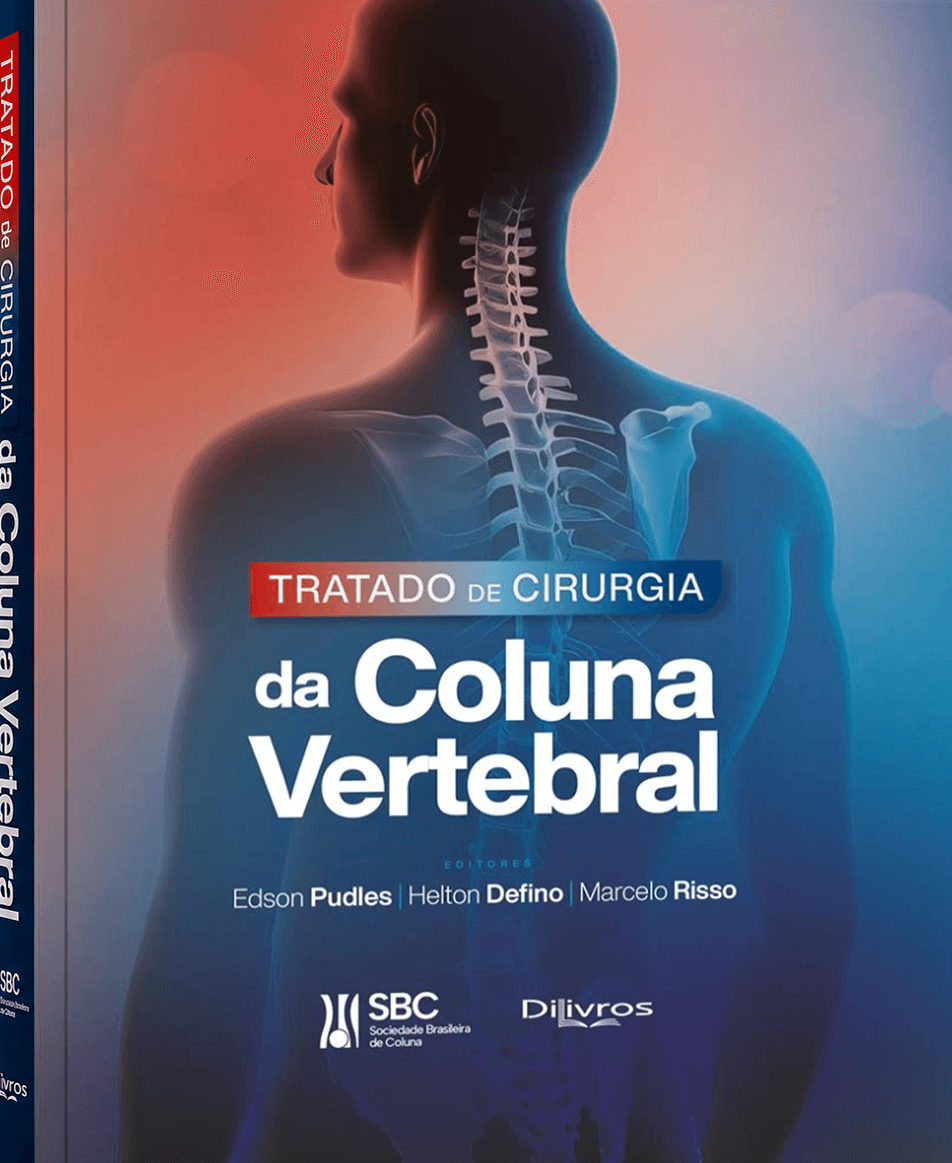
Abrão J, Zuazo SM. Abordagens para o tratamento da dor pós-operatória em cirurgia de coluna. In: Pudles E, Defino H, Risso M, editors. Tratado de Cirurgia da Coluna Vertebral (Treatise of Spine Surgery). 1st ed. Rio de Janeiro: Dilivros Editora; 2026. p. 1249-1260.

ISBN: 978-85-8053-292-0 • 1.ª Edição • Dilivros Editora
📚

Bibliographic References

1. Garg B, Mehta N, Bansal T, et al. Design and implementation of an enhanced recovery after surgery protocol in elective lumbar spine fusion: a comparative study. Spine. 2021;46(12):E679-87.
2. Elsarrag M, Soldozy S, Patel P, et al. Enhanced recovery after spine surgery: a systematic review. Neurosurg Focus. 2019;46(4):E3.
3. Devin CJ, McGirt MJ. Best evidence in multimodal pain management in spine surgery and means of assessing postoperative pain and function. Best Pract Res Clin Anaesthesiol. 2014;28(2):167-80.
4. Forero M, Adhikary SD, Lopez H, et al. The erector spinae plane block: a novel analgesic technique in thoracic neuropathic pain. Reg Anesth Pain Med. 2016;41(5):621-7.
5. Singh NP, Makkar JK, Borle A, et al. Efficacy of erector spinae plane block for postoperative analgesia in lumbar spine surgery: a systematic review and meta-analysis. J Neurosurg Anesthesiol. 2022;34(2):142-50.
Episode 06 – Early-Onset Scoliosis
Scheduled Premiere
Exclusive Premiere • Wednesday, October 07 at 9:00 PM (BRT)
Wednesday, October 07 at 9:00 PM (BRT)
The live countdown will be activated on the eve of the premiere.

The full videocast will premiere automatically in this player on Wednesday, 10/07 at 6:00 PM (BRT).

Also premiering on Spotify
Treatise in Debate

Official videocast derived from the treatise chapters.

Episode 06 – Early-Onset Scoliosis

Lungs and the Growing Spine: thoracic development, C-EOS classification, and growth-friendly surgical techniques